
New York Assemblyman Blumencranz has proposed “Peanut’s Law: Humane Animal Protection Act” to strengthen protections for sanctuary animals seized by state law enforcement.
The lives of sanctuary animals in New York may soon receive greater legal protection.
A proposed amendment to Section 11-0512 of New York’s Environmental Conservation Law, known as Peanut’s Law: Humane Animal Protection Act, would change how the state handles animals seized from sanctuaries.
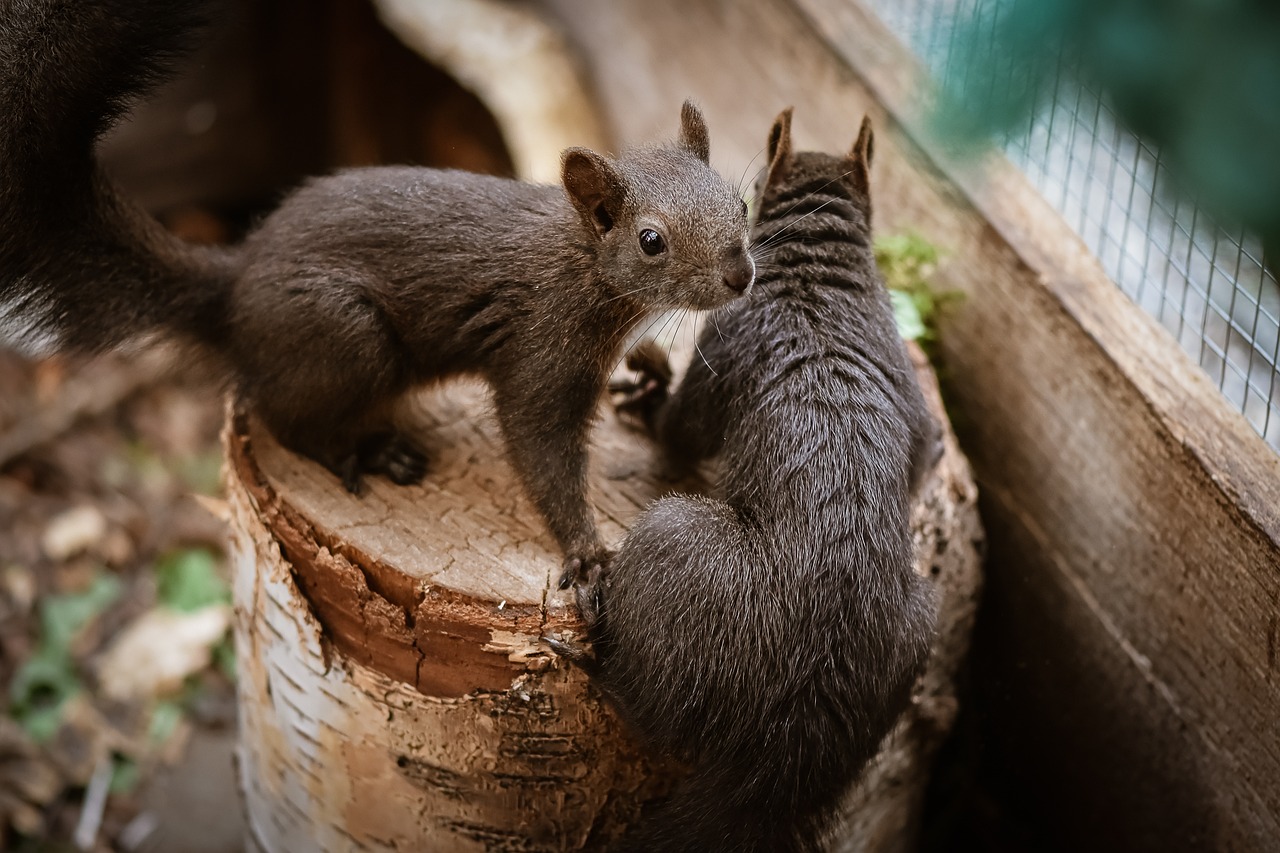
The bill follows the widely reported case of Peanut the Squirrel. Peanut was a rehabilitated squirrel who gained a large following online. During an investigation by the New York State Department of Environmental Conservation (DEC), Peanut was seized and later euthanized.
At NHES, we believe wild animals that can survive on their own should be released whenever possible. However, wildlife sanctuaries also serve an important purpose. Animals living in these facilities deserve humane and fair treatment.

What Would Peanut’s Law Change?
One of the first goals of Peanut’s Law is to clearly define what qualifies as an animal sanctuary.
Under the proposal, a sanctuary would include a wild animal care facility recognized under federal and state law and operating under a valid tax identification number, such as a 501(c)(3).
This definition is important because it helps determine which organizations qualify for legal protections.
Qualified sanctuaries would also have the right to an administrative hearing before animals are seized.
A 72-Hour Waiting Period
If passed, Peanut’s Law would also change New York’s rules for euthanasia following an animal seizure.
The bill would require a 72-hour waiting period before an animal could be euthanized. The only exception would involve an immediate public safety risk confirmed by a licensed veterinarian.
During those 72 hours, families and sanctuary operators could file an emergency appeal with the DEC.
An emergency review board would then examine the case. The board would include a licensed veterinarian, a public health official, and a sanctuary representative.
Together, they would determine the most appropriate course of action.
More Transparency and Accountability
Peanut’s Law would also create new reporting requirements for the DEC.
The department would be required to publish quarterly reports explaining animal seizures and their outcomes.
If euthanasia and rabies testing were necessary, the bill would also require those test results to be made public.
If an animal tested negative for rabies, licensed sanctuaries would have the legal right to seek redress.
These protections were inspired in part by Peanut’s case. The people who cared for him at P’Nuts Freedom Farm Animal Sanctuary had little legal recourse after he was seized and euthanized on the same day. Peanut later tested negative for rabies.
Protecting Animals While Addressing Public Safety
In a letter to New York Governor Kathy Hochul, Assemblyman Blumencranz said he hopes Peanut’s Law will balance animal protection, public safety, and respect for sanctuary operators.
The proposed bill could provide meaningful protections for animals living in licensed sanctuaries. However, it remains unclear whether New York lawmakers will ultimately support the legislation.
In the meantime, there are still ways you can help wildlife in your own community.
Support local conservation efforts, respect wildlife habitats, and contact qualified wildlife rehabilitators when an animal needs help. Small actions can reduce the number of wild animals that eventually require sanctuary care.