

Paws Up!

New York Assemblyman Blumencranz has proposed “Peanut’s Law: Humane Animal Protection Act” to strengthen protections for sanctuary animals seized by state law enforcement.

     The lives of sanctuary animals in New York may soon receive greater legal protection.

     A proposed amendment to Section 11-0512 of New York’s Environmental Conservation Law, known as Peanut’s Law: Humane Animal Protection Act, would change how the state handles animals seized from sanctuaries.

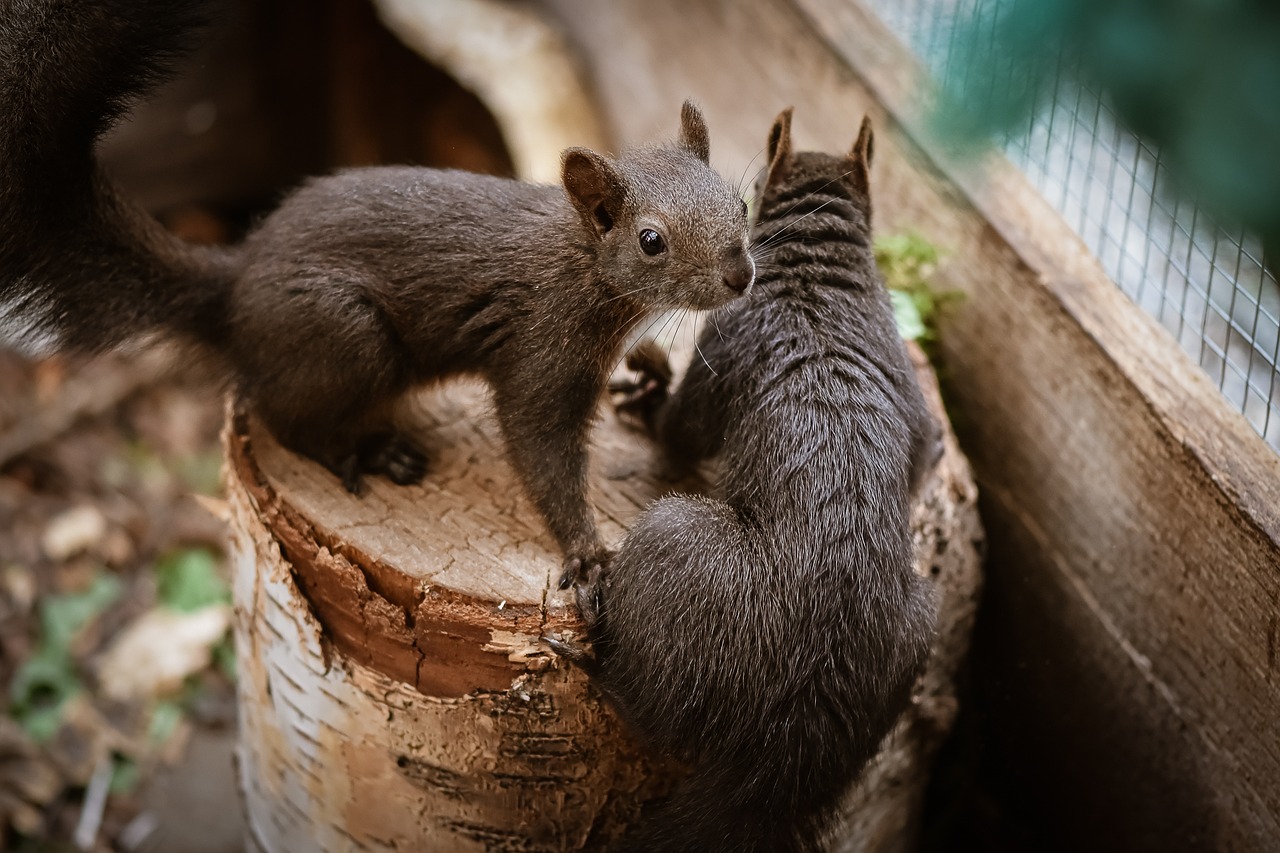
     The bill follows the widely reported case of Peanut the Squirrel. Peanut was a rehabilitated squirrel who gained a large following online. During an investigation by the New York State Department of Environmental Conservation (DEC), Peanut was seized and later euthanized.

  At NHES, we believe wild animals that can survive on their own should be released whenever possible. However, wildlife sanctuaries also serve an important purpose. Animals living in these facilities deserve humane and fair treatment.

 

What Would Peanut’s Law Change?

     One of the first goals of Peanut’s Law is to clearly define what qualifies as an animal sanctuary.

     Under the proposal, a sanctuary would include a wild animal care facility recognized under federal and state law and operating under a valid tax identification number, such as a 501(c)(3).

     This definition is important because it helps determine which organizations qualify for legal protections.

     Qualified sanctuaries would also have the right to an administrative hearing before animals are seized.

A 72-Hour Waiting Period

     If passed, Peanut’s Law would also change New York’s rules for euthanasia following an animal seizure.

     The bill would require a 72-hour waiting period before an animal could be euthanized. The only exception would involve an immediate public safety risk confirmed by a licensed veterinarian.

     During those 72 hours, families and sanctuary operators could file an emergency appeal with the DEC.

     An emergency review board would then examine the case. The board would include a licensed veterinarian, a public health official, and a sanctuary representative.

     Together, they would determine the most appropriate course of action.
More Transparency and Accountability

     Peanut’s Law would also create new reporting requirements for the DEC.

     The department would be required to publish quarterly reports explaining animal seizures and their outcomes.

     If euthanasia and rabies testing were necessary, the bill would also require those test results to be made public.

     If an animal tested negative for rabies, licensed sanctuaries would have the legal right to seek redress.

     These protections were inspired in part by Peanut’s case. The people who cared for him at P’Nuts Freedom Farm Animal Sanctuary had little legal recourse after he was seized and euthanized on the same day. Peanut later tested negative for rabies.

Protecting Animals While Addressing Public Safety

     In a letter to New York Governor Kathy Hochul, Assemblyman Blumencranz said he hopes Peanut’s Law will balance animal protection, public safety, and respect for sanctuary operators.

     The proposed bill could provide meaningful protections for animals living in licensed sanctuaries. However, it remains unclear whether New York lawmakers will ultimately support the legislation.

     In the meantime, there are still ways you can help wildlife in your own community.

     Support local conservation efforts, respect wildlife habitats, and contact qualified wildlife rehabilitators when an animal needs help. Small actions can reduce the number of wild animals that eventually require sanctuary care.

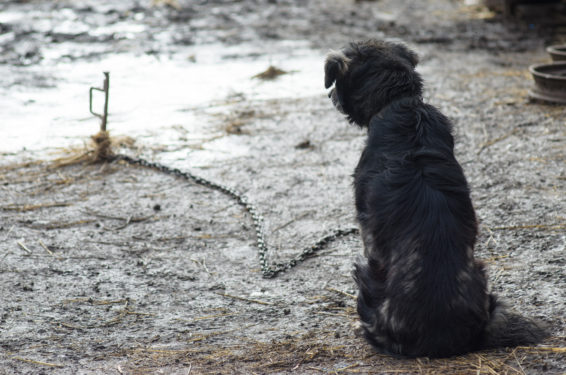
 

Paws Up! To Governor Greg Abbott for signing Senate Bill 5, which will protect dogs from extreme weather and a life on a chain.

November 24, 2021

Dogs in Texas will finally be given extra protection next year after Governor Abbott signed SB5 into law last month. This new law, which goes into effect on January 18, 2022, more clearly defines what is considered “unlawful restraint” of a dog, as well as “adequate shelter.” The law requires dog owners to not leave their dogs outside unattended unless they have adequate shelter, access to potable water, and are not tethered by a chain, weight, or other unsuitable restraints as described in the legislation.

After Texas experienced a deep freeze in February 2021 and residents across the state lost power, many dogs who were left outside froze to death in the plummeting temperatures. Legislators, animal welfare organizations, and members of the public were rightfully outraged by the lack of care or accountability reflected in Texas’ dog tethering laws that led to the needless suffering of animals, so the Safe Outdoor Dogs Bill was introduced earlier this spring. Disappointingly, Governor Greg Abbott vetoed the bill, claiming that the legislation would be too restrictive to dog owners.

Texas Senator Eddie Lucio and Representative Jared Patterson immediately sprung into action to sponsor the updated bill, Senate Bill 5, and it was finally approved and signed by Governor Abbott in time for another potential winter storm in 2022.

In addition to giving stipulations on what is considered unlawful restraint of a dog and adequate shelter from the elements, the new law also eliminates the “24-hour rule” which previously prevented law enforcement from helping animals who were being treated inhumanely until after 24 hours had passed, according to this news article.

Why is Dog Chaining Inhumane?
Dog chaining inherently creates a life of misery for dogs who remain solitary and tethered for much of their lives. The practice also creates secondary hazards that have killed or injured many dogs. Chained dogs…

…cannot escape from aggressive wild animals or free-roaming dogs.

… may tip over and empty water bowls while dragging a chain.

… do not receive adequate physical activity.

… have died from strangulation after trying to jump over an object, such as a dog house.

… may be more likely to bite than well-socialized dogs.

… are susceptible to overheating and freezing in extreme weather.

… can wrap the chain around objects, thereby further restricting their range of motion.

…often lunge or pull against a chain, causing abrasions to the neck.

…suffer high-exposure to disease-carrying insects including ticks, fleas, and  mosquitos.

…are forced to urinate and defecate in the same area where they eat and sleep.

…may bark continuously from boredom and frustration.

Take Action:

  • If you own a dog, make your dog welcome in your home and take him or her for leashed walks and outdoor play in a fenced area.
  • Commit to providing obedience training to each dog in your household
  • Offer to walk a chained dog in your community, and check to ensure the dog always has fresh water and adequate food.
  • Call your local animal control office any time you suspect an animal’s basic needs are not being met.
  • Support anti-dog chaining ordinances, which are appearing in cities and counties across the nation.

Red squirrel sitting on a tree stump eating seeds.

Take Action

Contact Governor Hochul and show your support for Peanut’s Law.