Paws Up!

New York Assemblyman Blumencranz has proposed “Peanut’s Law: Humane Animal Protection Act” to strengthen protections for sanctuary animals seized by state law enforcement.

     The lives of sanctuary animals in New York may soon receive greater legal protection.

     A proposed amendment to Section 11-0512 of New York’s Environmental Conservation Law, known as Peanut’s Law: Humane Animal Protection Act, would change how the state handles animals seized from sanctuaries.

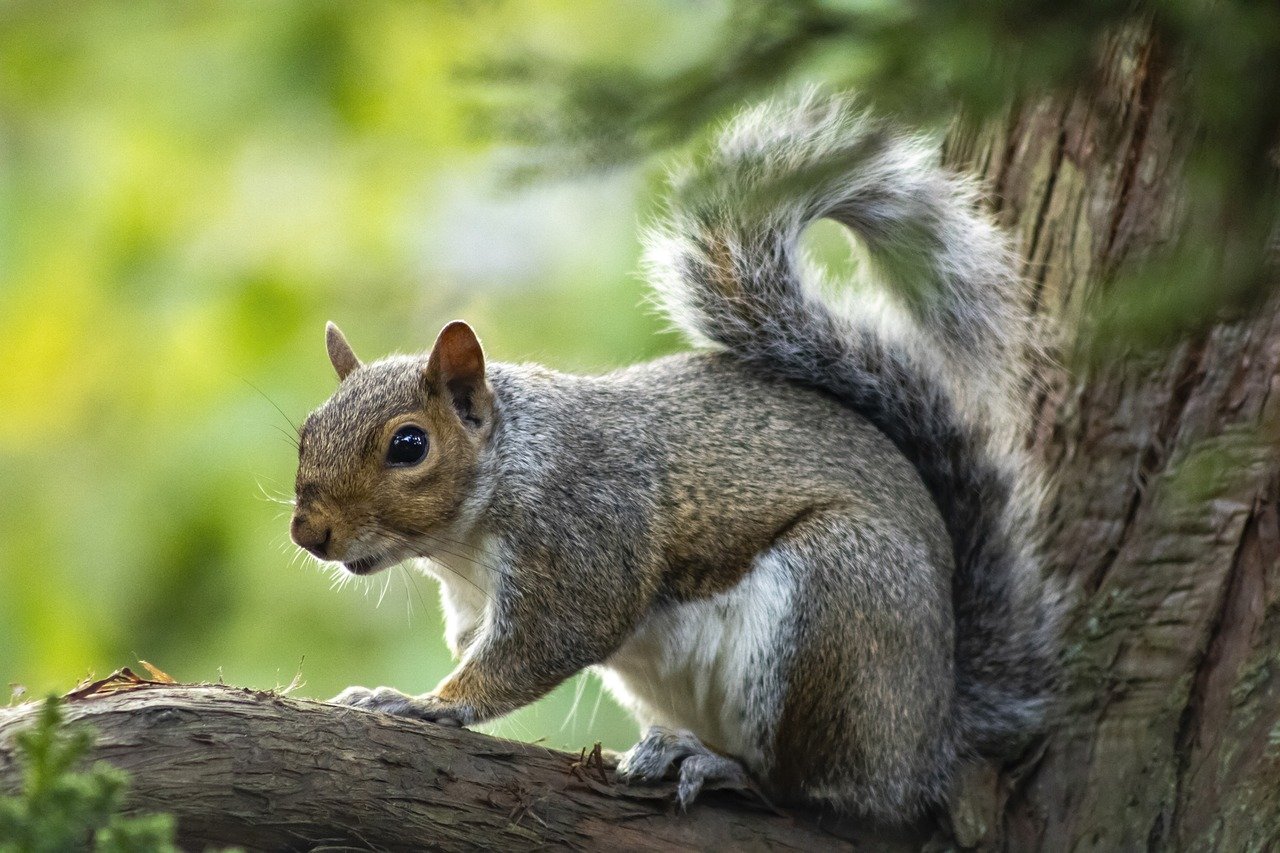
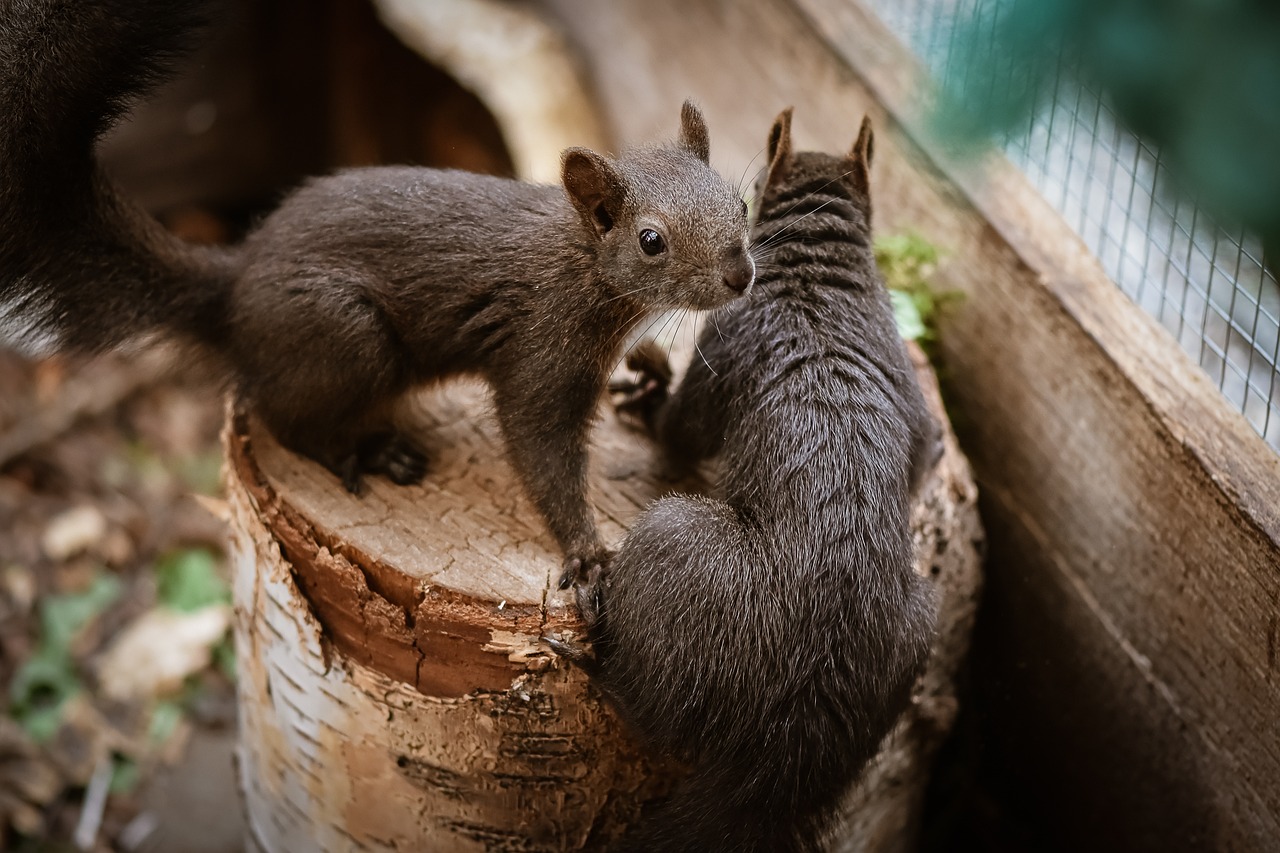
     The bill follows the widely reported case of Peanut the Squirrel. Peanut was a rehabilitated squirrel who gained a large following online. During an investigation by the New York State Department of Environmental Conservation (DEC), Peanut was seized and later euthanized.

  At NHES, we believe wild animals that can survive on their own should be released whenever possible. However, wildlife sanctuaries also serve an important purpose. Animals living in these facilities deserve humane and fair treatment.

 

What Would Peanut’s Law Change?

     One of the first goals of Peanut’s Law is to clearly define what qualifies as an animal sanctuary.

     Under the proposal, a sanctuary would include a wild animal care facility recognized under federal and state law and operating under a valid tax identification number, such as a 501(c)(3).

     This definition is important because it helps determine which organizations qualify for legal protections.

     Qualified sanctuaries would also have the right to an administrative hearing before animals are seized.

A 72-Hour Waiting Period

     If passed, Peanut’s Law would also change New York’s rules for euthanasia following an animal seizure.

     The bill would require a 72-hour waiting period before an animal could be euthanized. The only exception would involve an immediate public safety risk confirmed by a licensed veterinarian.

     During those 72 hours, families and sanctuary operators could file an emergency appeal with the DEC.

     An emergency review board would then examine the case. The board would include a licensed veterinarian, a public health official, and a sanctuary representative.

     Together, they would determine the most appropriate course of action.
More Transparency and Accountability

     Peanut’s Law would also create new reporting requirements for the DEC.

     The department would be required to publish quarterly reports explaining animal seizures and their outcomes.

     If euthanasia and rabies testing were necessary, the bill would also require those test results to be made public.

     If an animal tested negative for rabies, licensed sanctuaries would have the legal right to seek redress.

     These protections were inspired in part by Peanut’s case. The people who cared for him at P’Nuts Freedom Farm Animal Sanctuary had little legal recourse after he was seized and euthanized on the same day. Peanut later tested negative for rabies.

Protecting Animals While Addressing Public Safety

     In a letter to New York Governor Kathy Hochul, Assemblyman Blumencranz said he hopes Peanut’s Law will balance animal protection, public safety, and respect for sanctuary operators.

     The proposed bill could provide meaningful protections for animals living in licensed sanctuaries. However, it remains unclear whether New York lawmakers will ultimately support the legislation.

     In the meantime, there are still ways you can help wildlife in your own community.

     Support local conservation efforts, respect wildlife habitats, and contact qualified wildlife rehabilitators when an animal needs help. Small actions can reduce the number of wild animals that eventually require sanctuary care.

 

Update (10/1/2022): Governor Newsom signed the Safe Roads and Wildlife Protection Act. Please send him a thank you email today!

September 16, 2022

Paws Up!

California lawmakers are backing legislation introduced by Assembly Members Laura Friedman (D-District 43) and Ash Kalra (D-District 27) to help decrease wildlife-vehicle collisions with Assembly Bill 2344.


Wildlife Crossing

Depending on where you live, you likely have encountered wildlife perilously close to the road when driving. In some instances, you may have had a near miss or even collided with one. During these situations, injuries and fatalities can occur. The sad reality is that land developed to create roadways can cause displacement and disruption in the habits of the animals who live there. Roadways can affect animals’ migration patterns and hinder their access to food and water. Some states (Colorado, Massachusetts, New Mexico, Oregon, Utah, and Wyoming) have taken legislative measures to prevent these accidents and protect animals crossing the road by requiring the implementation of wildlife crossings.

These wildlife crossings are not just traffic signs warning drivers that animals frequently travel across the road in these locations. They are overpasses and tunnels specifically designed to help funnel animals safely to the other side of a roadway without coming into contact with a vehicle. These crossings play a valuable role in decreasing the number of animals killed by vehicles and protecting endangered species. In 2021, the University of Florida collected data to show the devastating role that vehicle collisions play in endangering wildlife populations worldwide. They also shared the Florida Fish and Wildlife Conservation Commission’s report from 2020 that 85% of Florida’s panthers died from being hit by vehicles.1

Trail cams have captured many different animals using the specialized wildlife crossings in Colorado, the Parley’s Wildlife Bridge in Utah, and the Robert L. B. Tobin Land Bridge in Texas. These sightings show the effectiveness of the wildlife crossings, and hopefully, more states will join the efforts to live in harmony with animals to create safer roads for all.

Wildlife Underpass

According to a news article, California seeks to protect its wildlife with Assembly Bill 2344. According to AB 2344, “It would require Caltrans, in consultation with DFW and other appropriate agencies, to establish an inventory of connectivity needs on the state highway system where the implementation of wildlife passage features could reduce wildlife-vehicle collisions or enhance wildlife connectivity, as specified. The bill would require Caltrans, no later than July 1, 2024, to develop and publish the inventory and a list of funded transportation projects with wildlife passage features that address wildlife connectivity needs and would require Caltrans to update the inventory and the project list at least once every 2 years.”

Since its introduction in February 2022, several cougars have been killed by vehicles solidifying the need to create more wildlife crossings throughout the state. The Senate passed the bill on August 30, 2022, and it is waiting for the governor’s approval.

Take Action: Californians, will you email Governor Newsom today to show your support for protecting wildlife and creating safer roads? Click Here.


  1. New study shows impact of roadkill on world’s vulnerable animal populations: University of Central Florida News. University of Central Florida News | UCF Today. (2021, November 2). Retrieved September 19, 2022, from https://www.ucf.edu/news/new-study-shows-impact-of-roadkill-on-worlds-vulnerable-animal-populations/
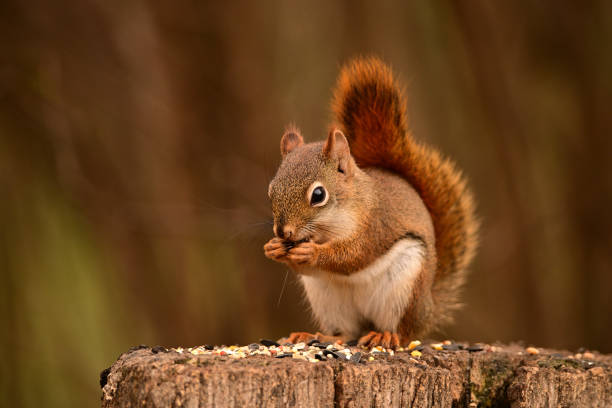
Red squirrel sitting on a tree stump eating seeds.

Take Action

Contact Governor Hochul and show your support for Peanut’s Law.