Paws Up!

New York Assemblyman Blumencranz has proposed “Peanut’s Law: Humane Animal Protection Act” to strengthen protections for sanctuary animals seized by state law enforcement.

     The lives of sanctuary animals in New York may soon receive greater legal protection.

     A proposed amendment to Section 11-0512 of New York’s Environmental Conservation Law, known as Peanut’s Law: Humane Animal Protection Act, would change how the state handles animals seized from sanctuaries.

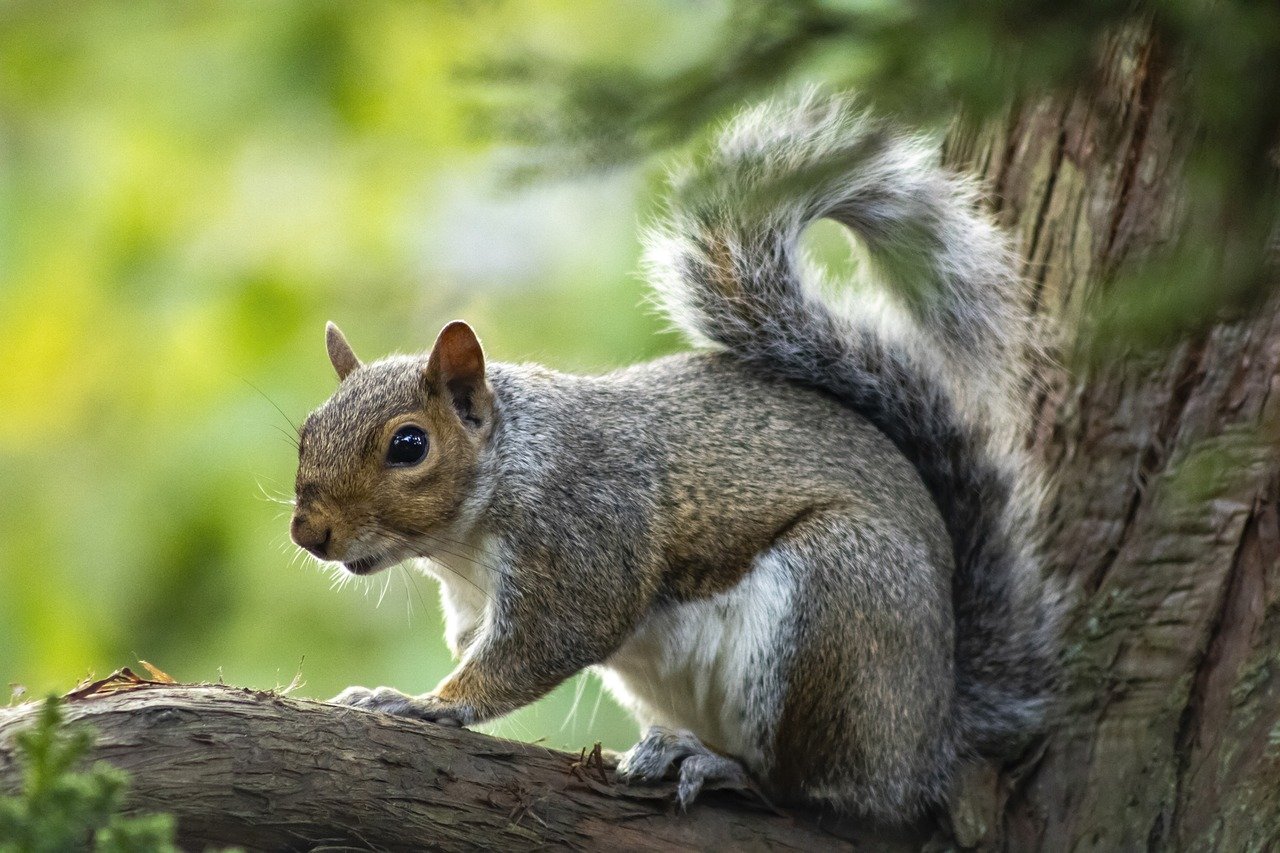
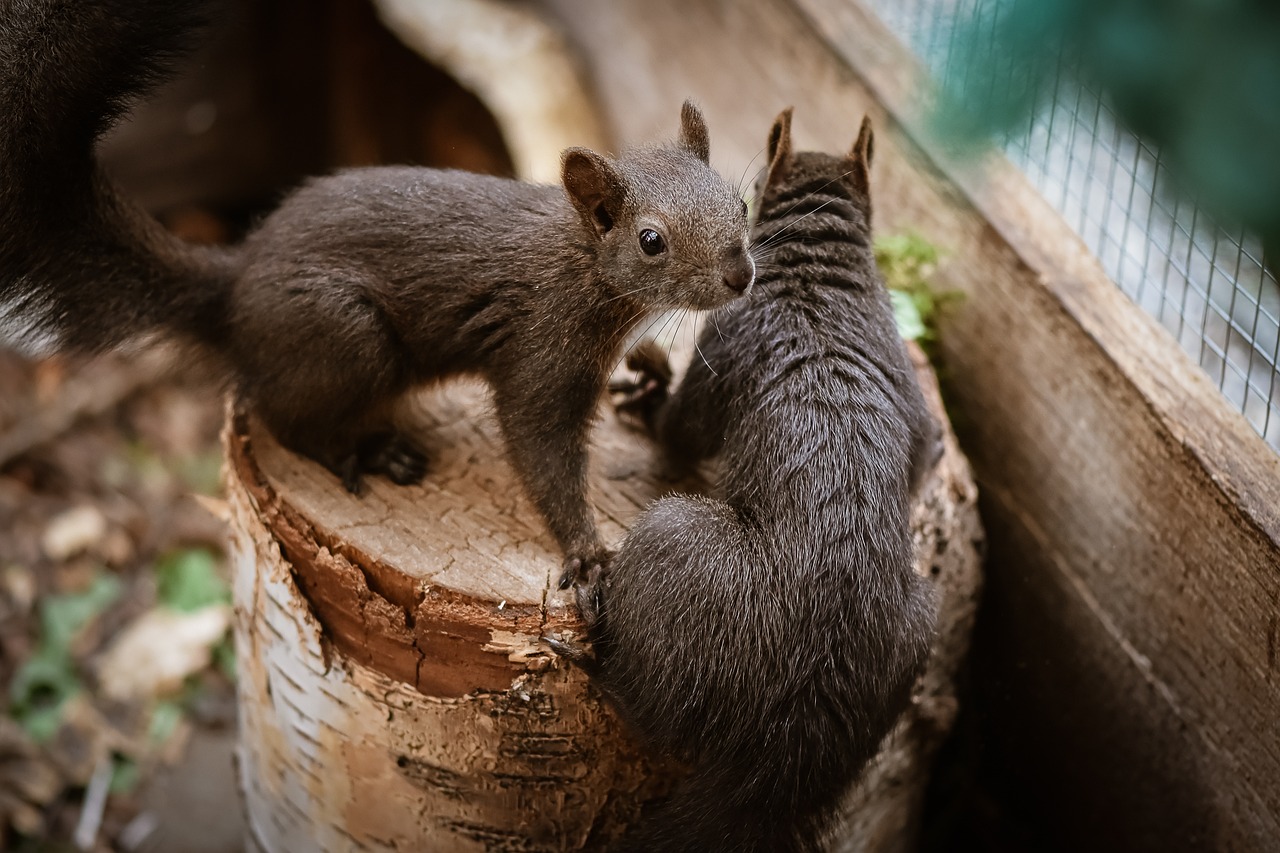
     The bill follows the widely reported case of Peanut the Squirrel. Peanut was a rehabilitated squirrel who gained a large following online. During an investigation by the New York State Department of Environmental Conservation (DEC), Peanut was seized and later euthanized.

  At NHES, we believe wild animals that can survive on their own should be released whenever possible. However, wildlife sanctuaries also serve an important purpose. Animals living in these facilities deserve humane and fair treatment.

 

What Would Peanut’s Law Change?

     One of the first goals of Peanut’s Law is to clearly define what qualifies as an animal sanctuary.

     Under the proposal, a sanctuary would include a wild animal care facility recognized under federal and state law and operating under a valid tax identification number, such as a 501(c)(3).

     This definition is important because it helps determine which organizations qualify for legal protections.

     Qualified sanctuaries would also have the right to an administrative hearing before animals are seized.

A 72-Hour Waiting Period

     If passed, Peanut’s Law would also change New York’s rules for euthanasia following an animal seizure.

     The bill would require a 72-hour waiting period before an animal could be euthanized. The only exception would involve an immediate public safety risk confirmed by a licensed veterinarian.

     During those 72 hours, families and sanctuary operators could file an emergency appeal with the DEC.

     An emergency review board would then examine the case. The board would include a licensed veterinarian, a public health official, and a sanctuary representative.

     Together, they would determine the most appropriate course of action.
More Transparency and Accountability

     Peanut’s Law would also create new reporting requirements for the DEC.

     The department would be required to publish quarterly reports explaining animal seizures and their outcomes.

     If euthanasia and rabies testing were necessary, the bill would also require those test results to be made public.

     If an animal tested negative for rabies, licensed sanctuaries would have the legal right to seek redress.

     These protections were inspired in part by Peanut’s case. The people who cared for him at P’Nuts Freedom Farm Animal Sanctuary had little legal recourse after he was seized and euthanized on the same day. Peanut later tested negative for rabies.

Protecting Animals While Addressing Public Safety

     In a letter to New York Governor Kathy Hochul, Assemblyman Blumencranz said he hopes Peanut’s Law will balance animal protection, public safety, and respect for sanctuary operators.

     The proposed bill could provide meaningful protections for animals living in licensed sanctuaries. However, it remains unclear whether New York lawmakers will ultimately support the legislation.

     In the meantime, there are still ways you can help wildlife in your own community.

     Support local conservation efforts, respect wildlife habitats, and contact qualified wildlife rehabilitators when an animal needs help. Small actions can reduce the number of wild animals that eventually require sanctuary care.

 

November 13, 2022

Paws Up!

Animal welfare organizations, concerned citizens, the Hawaii Cattlemen’s Council, and the Hawaii Department of Agriculture are working together to improve the humane transport of livestock by sea from the U.S. mainland to the island.


Animal welfare advocates in Hawaii have been working tirelessly to raise awareness concerning the lack of regulations and care livestock receive in transit from the mainland to the island. Sadly, the well-being of animals used for food—goats, sheep, pigs, cows, and chickens, especially in concentrated farming facilities—is overlooked and their sentience dismissed, but those who have spent time with these remarkable creatures can attest to their unique expressions of emotions. Have you heard a chicken purr? When calm and happy, chickens make a purring sound like a cat. Other farm animals demonstrate their ability to feel emotions and form bonds with their caretakers at animal sanctuaries or individuals who have farm animals as companions. These humans have been fortunate enough to witness animals displaying positive emotions of playfulness, excitement, or contentment.

Livestock in Hawaii

In 2019, twenty-one cows tragically suffocated while being transported to Hawaii. This incident pushed legislators to address the lack of regulations in Hawaii to protect livestock during transport. House Bill 1898 was introduced in January 2020, but it didn’t move forward and died amidst more pressing legislation during the pandemic.

Through the persistence of the animal welfare organization, Animal Welfare Institute (AWI), other concerned citizens, and the support of the Hawaii Cattlemen’s Council, amendments to Hawaii’s Administrative Rules 4-16 were brought before the Hawaii Department of Agriculture (HDOA). The amendments addressed providing space, water, shade, and a “last on and first off” policy for animals being shipped by sea. The HDOA met on October 11, 2022 (discussion starts in the video at 2:42:00) to hear additional comments and vote on the proposed amendments.

Unfortunately, the amendment to provide shade for the containers housing animals to reduce heat stress did not pass. It was determined that providing shelter would fall under the Department of Transportation, not the harbor, and insufficient research exists on what temperature is too hot for cattle. One of the members of the Hawaii Board of Agriculture commented that one of the islands has no shade, and the cattle residing there in the sugar cane fields seem okay. Dr. Jason Moniz, Program Manager of the HDOA’s Animal Disease Control Branch, shared the need for more research to help keep animals comfortable and safe during shipment. For instance, Dr. Moniz commented that no one had researched the temperature inside a container placed in the shade versus the temperature inside a container not in the shade.

The amendments that passed ensure containers are stacked in such a way as to provide maximum ventilation for the animals and require carriers to provide shipment declarations to help with transparency and insight when casualties do occur. While the amendments that passed may seem small, they have started a conversation that will hopefully fuel more efforts to increase the humane standards of care for the transportation of livestock.

Take Action: Please support rules and regulations to increase the standards of care for all animals.

To create a more humane society for generations to come, it is imperative that we, as a society, examine existing or lacking animal welfare laws to create better standards of care for all animals. Although progress for animals, especially livestock and those used for research/testing purposes, continues to be slow, it should not deter us from continuing to make a better world for them.

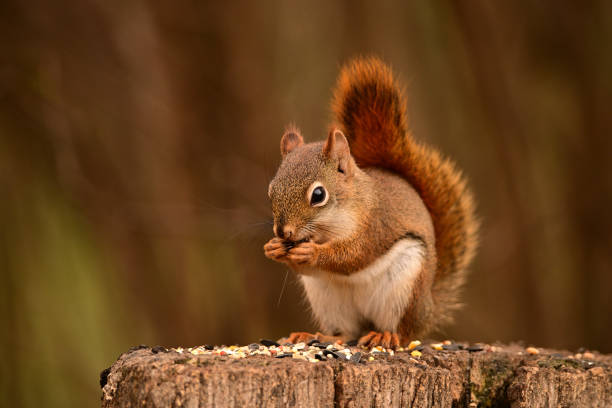
Red squirrel sitting on a tree stump eating seeds.

Take Action

Contact Governor Hochul and show your support for Peanut’s Law.