Paws Up!

New York Assemblyman Blumencranz has proposed “Peanut’s Law: Humane Animal Protection Act” to strengthen protections for sanctuary animals seized by state law enforcement.

     The lives of sanctuary animals in New York may soon receive greater legal protection.

     A proposed amendment to Section 11-0512 of New York’s Environmental Conservation Law, known as Peanut’s Law: Humane Animal Protection Act, would change how the state handles animals seized from sanctuaries.

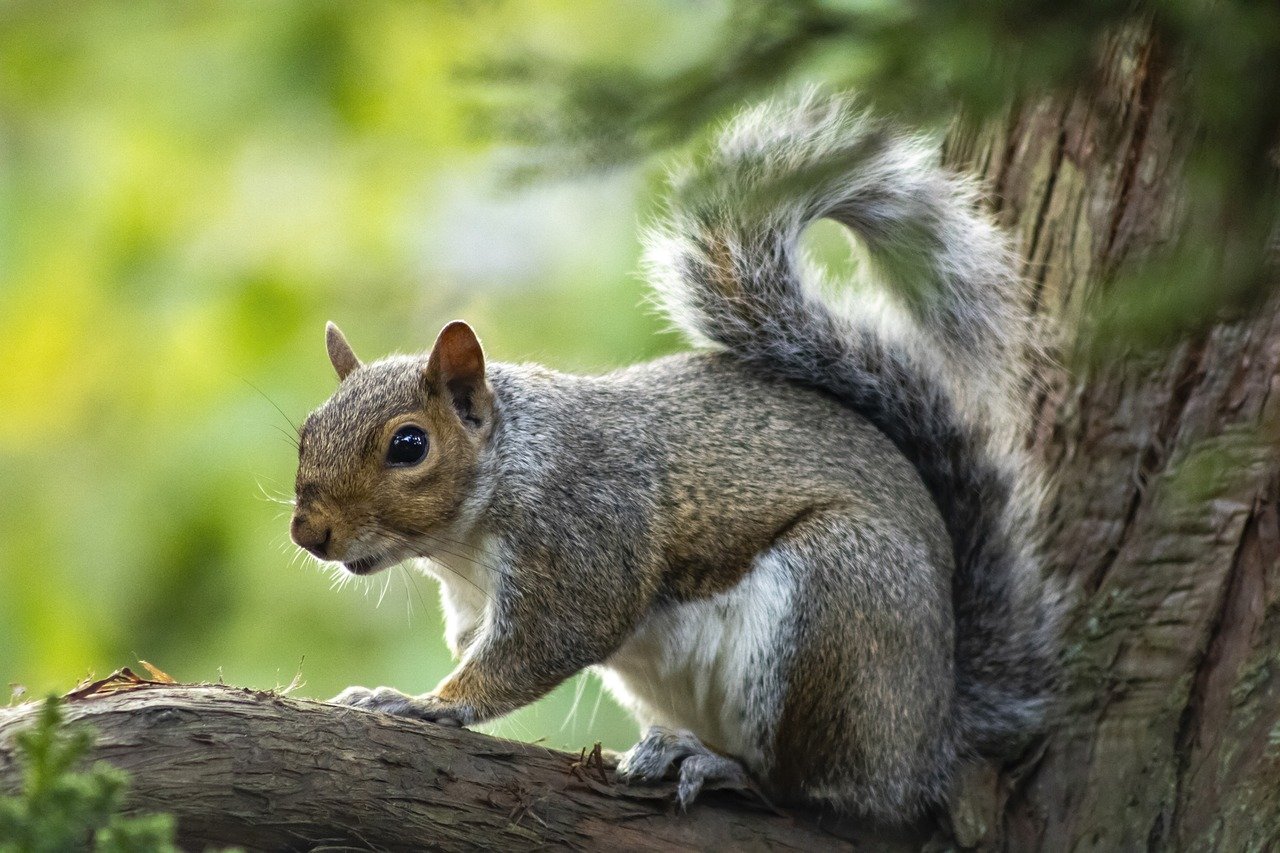
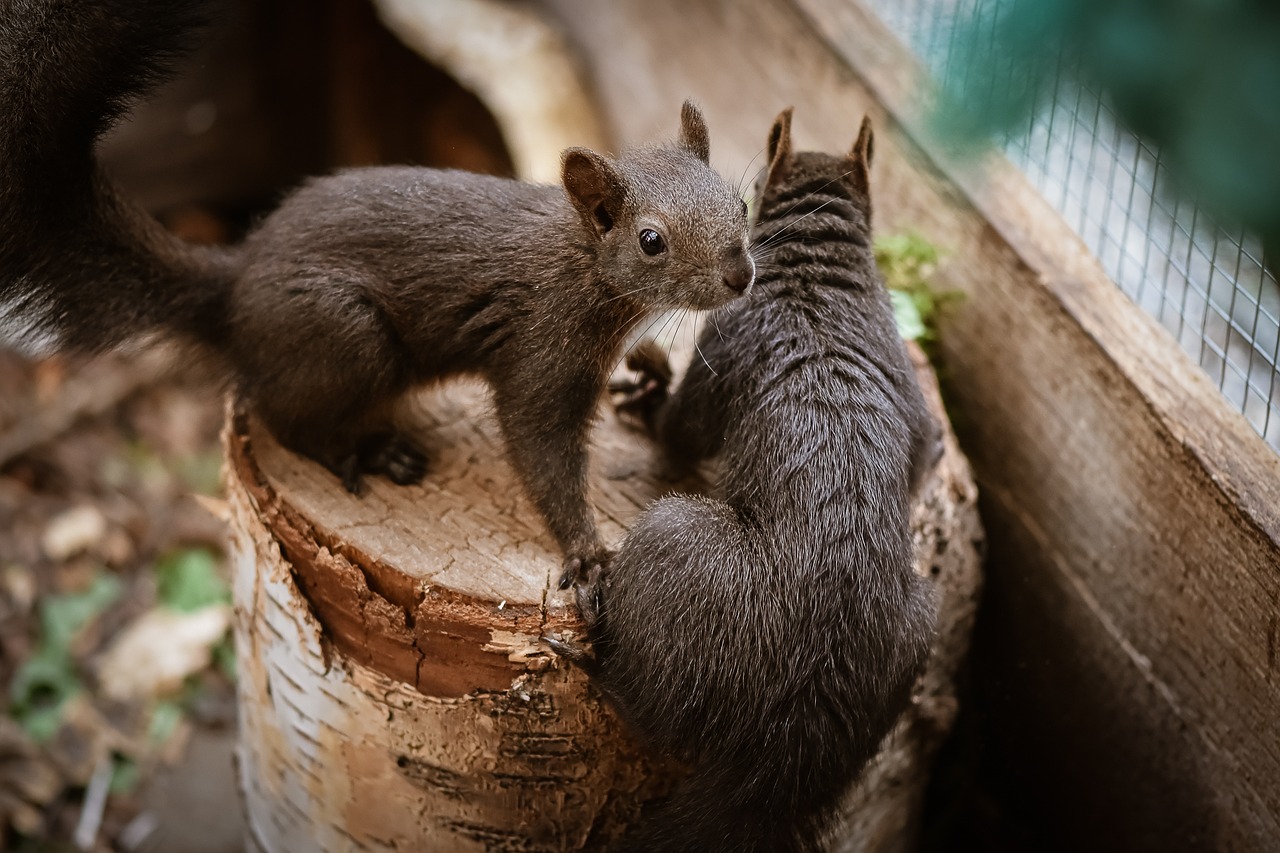
     The bill follows the widely reported case of Peanut the Squirrel. Peanut was a rehabilitated squirrel who gained a large following online. During an investigation by the New York State Department of Environmental Conservation (DEC), Peanut was seized and later euthanized.

  At NHES, we believe wild animals that can survive on their own should be released whenever possible. However, wildlife sanctuaries also serve an important purpose. Animals living in these facilities deserve humane and fair treatment.

 

What Would Peanut’s Law Change?

     One of the first goals of Peanut’s Law is to clearly define what qualifies as an animal sanctuary.

     Under the proposal, a sanctuary would include a wild animal care facility recognized under federal and state law and operating under a valid tax identification number, such as a 501(c)(3).

     This definition is important because it helps determine which organizations qualify for legal protections.

     Qualified sanctuaries would also have the right to an administrative hearing before animals are seized.

A 72-Hour Waiting Period

     If passed, Peanut’s Law would also change New York’s rules for euthanasia following an animal seizure.

     The bill would require a 72-hour waiting period before an animal could be euthanized. The only exception would involve an immediate public safety risk confirmed by a licensed veterinarian.

     During those 72 hours, families and sanctuary operators could file an emergency appeal with the DEC.

     An emergency review board would then examine the case. The board would include a licensed veterinarian, a public health official, and a sanctuary representative.

     Together, they would determine the most appropriate course of action.
More Transparency and Accountability

     Peanut’s Law would also create new reporting requirements for the DEC.

     The department would be required to publish quarterly reports explaining animal seizures and their outcomes.

     If euthanasia and rabies testing were necessary, the bill would also require those test results to be made public.

     If an animal tested negative for rabies, licensed sanctuaries would have the legal right to seek redress.

     These protections were inspired in part by Peanut’s case. The people who cared for him at P’Nuts Freedom Farm Animal Sanctuary had little legal recourse after he was seized and euthanized on the same day. Peanut later tested negative for rabies.

Protecting Animals While Addressing Public Safety

     In a letter to New York Governor Kathy Hochul, Assemblyman Blumencranz said he hopes Peanut’s Law will balance animal protection, public safety, and respect for sanctuary operators.

     The proposed bill could provide meaningful protections for animals living in licensed sanctuaries. However, it remains unclear whether New York lawmakers will ultimately support the legislation.

     In the meantime, there are still ways you can help wildlife in your own community.

     Support local conservation efforts, respect wildlife habitats, and contact qualified wildlife rehabilitators when an animal needs help. Small actions can reduce the number of wild animals that eventually require sanctuary care.

 

March 20, 2023

Paws Up!

To New York City Council Member Shahana Hanif for taking action to create a better life for elephants in captivity at the Bronx Zoo with the introduction of Int. 0963.


The Beauty of Elephants

Elephants are majestic and powerful creatures capable of displaying an array of emotions. According to an article published by PBS, they exhibit the beauty of happiness through vocal sounds and touches; they comfort other elephants through caresses; and they express grief when witnessing another fellow elephant’s death or encountering another elephant’s bones.

Witnessing these displays of emotions by elephants, it is heartbreaking to see solitary elephants existing for human entertainment and confined in cages. Many elephants in captivity depict abnormal or stereotypic behaviors resulting from their inability to carry out instinctual behaviors. Rhythmic swaying is indicative that an elephant is stressed.

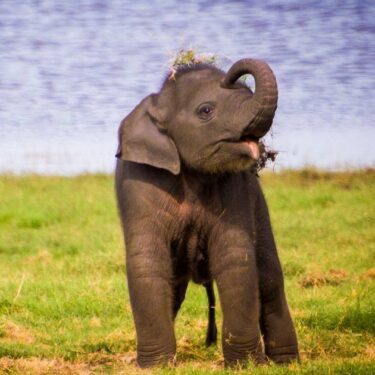
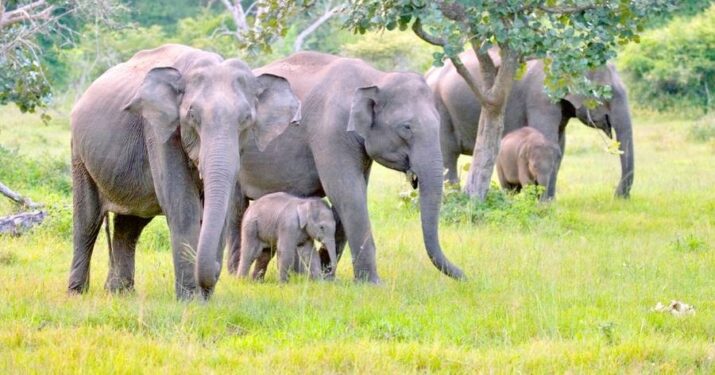
Asian Baby Elephant

In the wild, elephants travel miles looking for food and water. In captivity, elephants are confined to much smaller spaces and develop foot problems from standing on hard surfaces all day. Elephants are social creatures and live together in herds—some herds can even be as large as one hundred elephants!

Rescuing Elephants from Human Exploitation

Efforts by individuals, legislators, and animal welfare organizations to prevent these beautiful creatures from experiencing suffering at the hands of humans in captivity have aided in the retirement of many elephants used in circuses. Due to increased pressure from the public, Feld Entertainment’s Ringling Bros. Barnum & Bailey Circus retired their elephants in 2016.

Happy’s Life at the Bronx Zoo

With the increased awareness that wild animals experience suffering while in captivity, it is difficult to understand how entities such as the Bronx Zoo in New York City feel they are meeting their two elephants’ emotional, social, and physical needs. These elephants live in 1 ½ acre enclosures with no social interaction with other elephants since the death of their elephant companions. The duo named Happy and Patty are not allowed to interact with each other due to Happy’s aggression. Sadly, Happy’s negative behavior is no fault of her own.

Happy was taken from the wild when she was just a baby with her siblings in the 1970s. She endured years of performing tricks in circuses. In the wild, calves are raised by their mothers and other female elephants in the herd, who help nurture, protect, and correct the calves’ behaviors. This unnatural upbringing for Happy could be the reason for her aggressive behavior.

Elephant in Captivity

In 2022, Happy made the news as the animal welfare group, Nonhuman Rights Project, fought for her to become the first elephant to be granted personhood, but her case was denied. New York City Council Member Shahana Hanif (D-District 39) is taking up the fight for Happy and Patty by introducing Int. 0963-2023 (Introduced at 43:13 of the video during the New York City Council meeting on 3/16/23.) to create humane space requirements for elephants in captivity.

According to the new bill, Happy and Patty need 15 acres of land and access to other elephants. If these requirements cannot be met, the elephants must be transferred to an animal sanctuary with sufficient space.

Take Action: New York City residents, do you agree that Happy and Patty should be allowed to live in a more humane space to give them the freedom to exhibit natural behaviors? 

Suppose the Bronx Zoo cannot provide extra space or social interactions. Do you agree that elephants should be allowed to be transferred to an elephant sanctuary with more area? If you do, please get in touch with your council member and ask for their support of Int. 0963-2023.

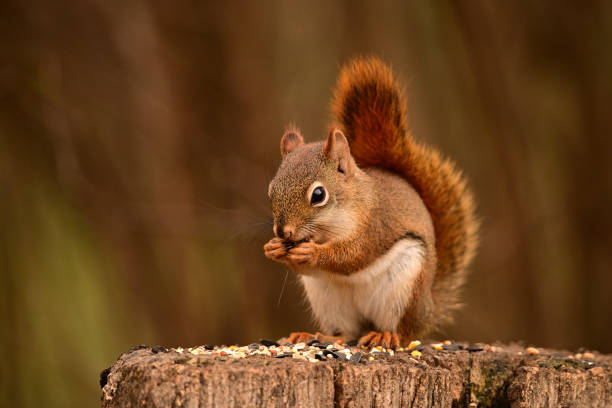
Red squirrel sitting on a tree stump eating seeds.

Take Action

Contact Governor Hochul and show your support for Peanut’s Law.